HIGHGeneral
Extreme heat prompts nationwide emergency protocols
🇵🇰 PakistanMay 5, 2026 02:28SRC: DAWNBY: none@none.com (Aamir Yasin)
INTELLIGENCE SUMMARY
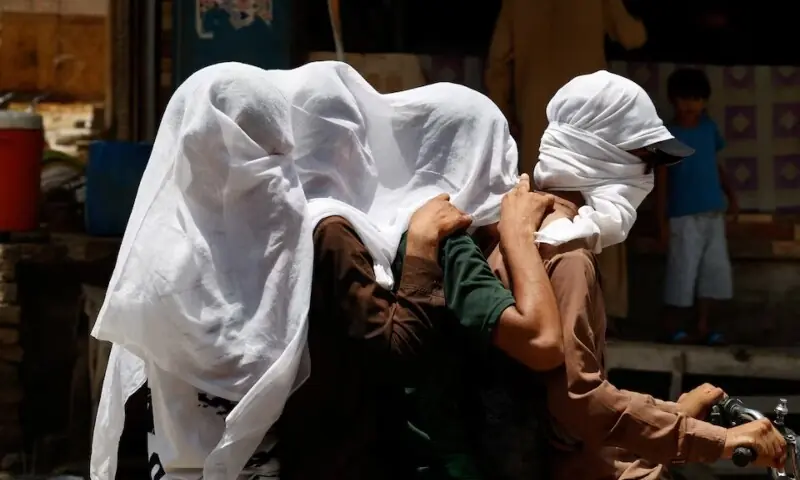
RAWALPINDI: The National Disaster Management Authority (NDMA) on Monday issued sweeping emergency protocols and placed hospitals on alert as extreme, above-normal summer temperatures threaten millions across the country. According to a press statement, the NDMA Early Warning Team anticipated that daytime temperatures from May through June would remain above normal. Given these conditions, all relevant stakeholders — including provincial and local administration, health and line departments,
DETAILED REPORT
<p>RAWALPINDI: The National Disaster Management Authority (NDMA) on Monday issued sweeping emergency protocols and placed hospitals on alert as extreme, above-normal summer temperatures threaten millions across the country.</p>
<p>According to a press statement, the NDMA Early Warning Team anticipated that daytime temperatures from May through June would remain above normal. Given these conditions, all relevant stakeholders — including provincial and local administration, health and line departments, rescue agencies, the armed forces, and federal ministries — are advised to implement the guidelines.</p>
<p>Karachi also <a href="https://www.dawn.com/news/1997593">recorded its hottest day of the year</a>, with temperatures soaring to over 44 degrees Celsius, according to the Pakistan Meteorological Department. This extreme weather worsens the miseries of residents already facing water shortages due to ruptured pipelines and excessive loadshedding by K-Electric in the name of minimising transmission losses.</p>
<p>The NDMA asked provincial and district disaster management authorities to launch public awareness campaigns highlighting the dangers of heatwaves and promoting preventive measures.</p>
<p>Ministries, provincial departments, and educational authorities must implement steps to protect children in schools from exposure to heatwave conditions, including schedule adjustments or temporary closures if necessary.</p>
<figure class='media w-full sm:w-1/2 media--right media--uneven media--stretch' data-original-src='https://www.dawn.com/news/1997436'>
<div class='media__item media__item--newskitlink '> <iframe
class="nk-iframe"
width="100%" frameborder="0" scrolling="no" style="height:250px;position:relative"
src="https://www.dawn.com/news/card/1997436"
sandbox="allow-same-origin allow-scripts allow-popups allow-modals allow-forms"></iframe></div>
</figure>
<p>Guidelines mandate the identification of high-risk areas and the establishment of heatstroke treatment centres equipped with medical staff, basic treatment equipment, and water supplies.</p>
<p>It urged the Ministry of National Health Services, Regulations and Coordination to issue directives to enhance hospital and departmental capacities for managing heat-related emergencies.</p>
<p>Educational institutions, NGOs, and community organisations should educate students and local communities on recognising heatstroke symptoms, emergency procedures, and how to access medical support.</p>
<p>Furthermore, authorities should stockpile emergency supplies, including first aid kits, oral rehydration salts, electrolyte drinks, cooling aids, and water dispensers, ensuring availability in strategic locations.</p>
<p>The NDMA asked the Khyber Pakhtunkhwa Provincial Disaster Management Authority and the Gilgit-Baltistan Disaster Management Authority to monitor vulnerable sites in northern glaciated regions, as the heatwave may trigger<a href="https://www.dawn.com/news/1996916"> Glof incidents.</a></p>
<p>Emergency services, forest departments, and local administrations must remain alert to the risk of forest and urban fires and undertake preventive measures where possible.</p>
<p>Authorities are tasked with establishing control rooms for information and coordination during the heatwave season. Relevant staff must be trained in heat-related response and rehabilitation efforts. They must provide support to vulnerable populations, such as the homeless, ensuring they have adequate shelter and hydration.</p>
<p>Agriculture and irrigation departments are directed to advise farmers to manage crop water responsibly and harvest wheat as required.</p>
<p>For individual preventive measures, the authority asked people to stay well-hydrated, and to carry and drink plenty of clean water throughout the day. Citizens must avoid direct exposure to sunlight, especially during peak hours from 10am to 5pm.</p>
<p>The authority promotes the use of appropriate protective measures, such as lightweight, loose-fitting, light-coloured clothing, sunscreen, and hats. In case of symptoms like dizziness, nausea, or weakness, consult a doctor immediately.</p>
<p><em>Published in Dawn, May 5th, 2026</em></p>
AI THREAT SCORE45/100